
From declining timber availability to high carbon emissions to biodiversity loss, forest degradation presents underrecognized threats to forest-based supply chains and harms market resilience. This hub provides clarity to inform decision making and empower investors for more robust engagement and stewardship.
Sustainable Forest Management or Forest Degradation?
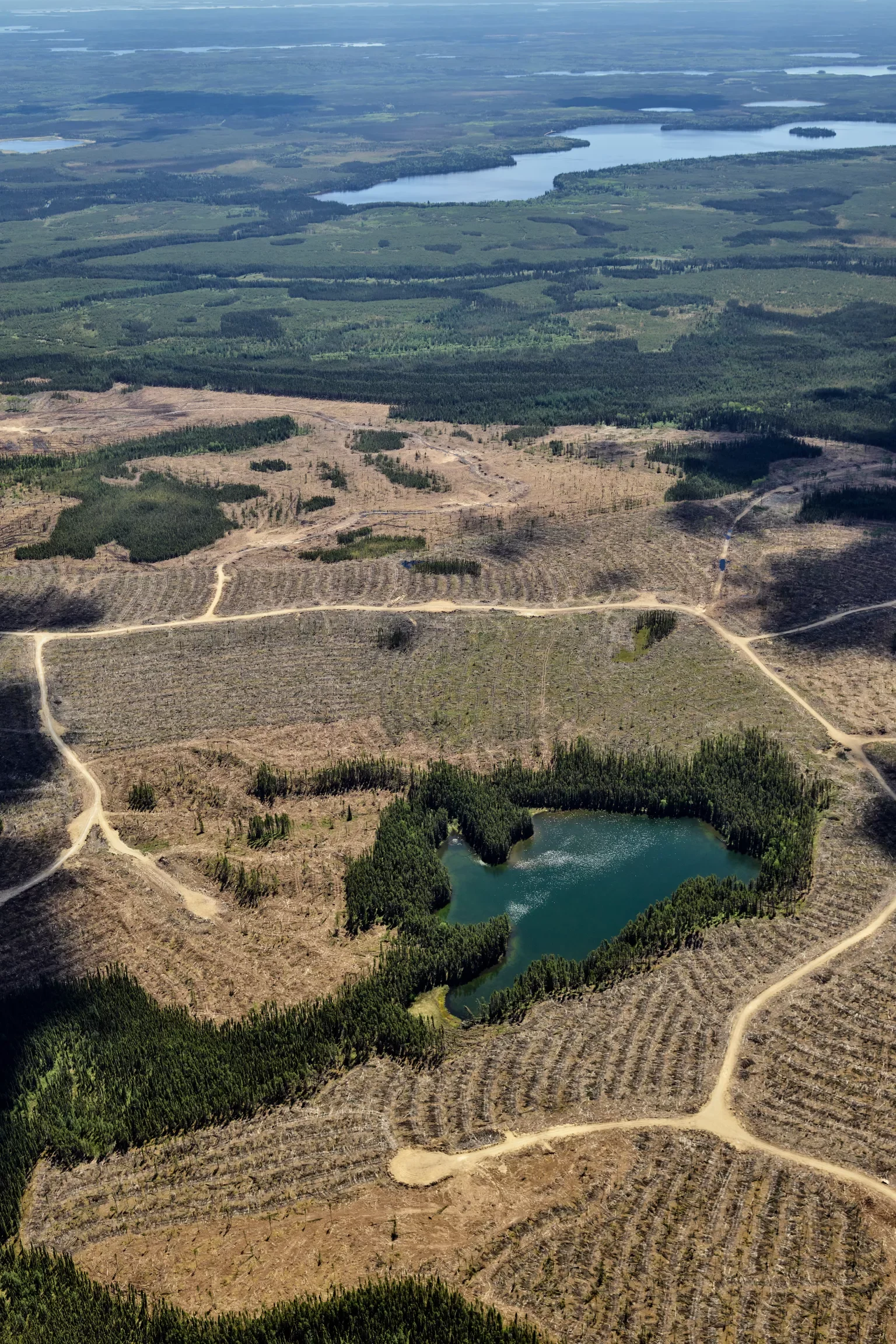
Credit: River Jordan for NRDC
Recognizing forest degradation as a material risk is essential because degradation can, for all intents and purposes, wipe out a forest.
Forest degradation refers to all the impacts to forests by industrial activities like logging and road-building that do not lead to converting the land to other uses (such as agriculture). In Canada and other countries in the Global North, such degradation is hidden under the guise of “sustainable forest management.” (SFM)
This image shows the aftermath of industrial logging, yet on paper the area is still classified as a forest. While SFM can preserve forest values in theory, under the SFM framework used across much of the Global North, carbon stocks are released, biodiversity is diminished, and ecological function is weakened for decades, if not permanently. Weakened ecosystems can also become more vulnerable to extreme flooding and wildfires.
At the same time, many Indigenous communities that have stewarded these lands for millennia have not consented to industrial logging within their territories.
Because degraded areas often remain classified as “forest,” the associated impacts are often obscured in corporate risk assessments. As degradation spreads, the widening gap between damage and ecological recovery creates mounting financial risks.
Clarifying the distinction between sustainable and unsustainable forest management is necessary but insufficient. Research shows that there is not enough wood globally to meet all demand sustainably. Companies with forest-based supply chains must not only strengthen their sourcing practices but also adopt long-term strategies to reduce their overall forest footprint.
Recognizing forest degradation as a material risk is crucial, as undermined ecological systems increasingly expose forest-dependent assets to long-term financial instability.
Downloadable Investor Resources
Corporate Engagement Tool Kit
Degradation's Impact
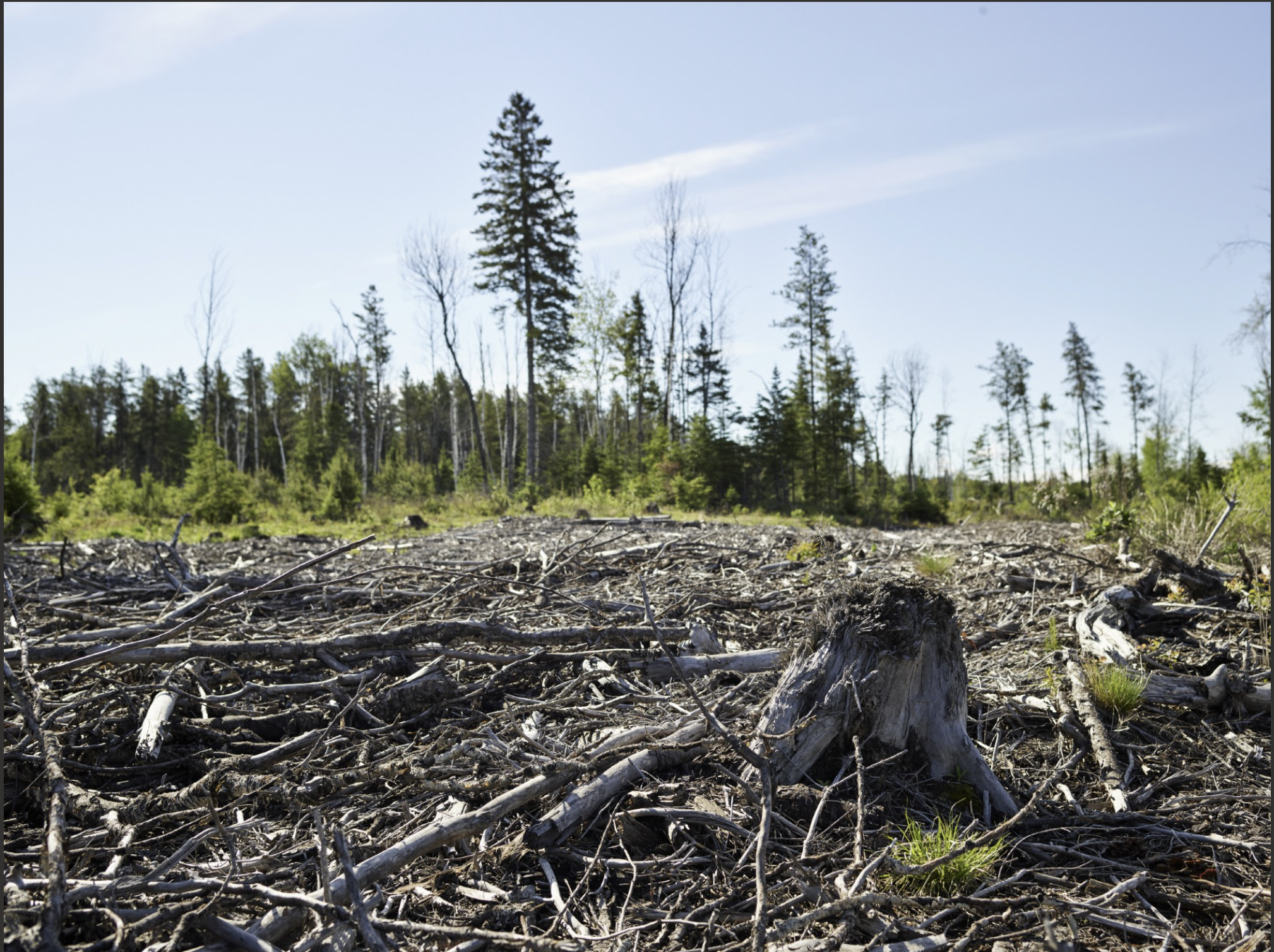
Clearcut logging in the boreal forest of Canada. Credit: River Jordan for NRDC
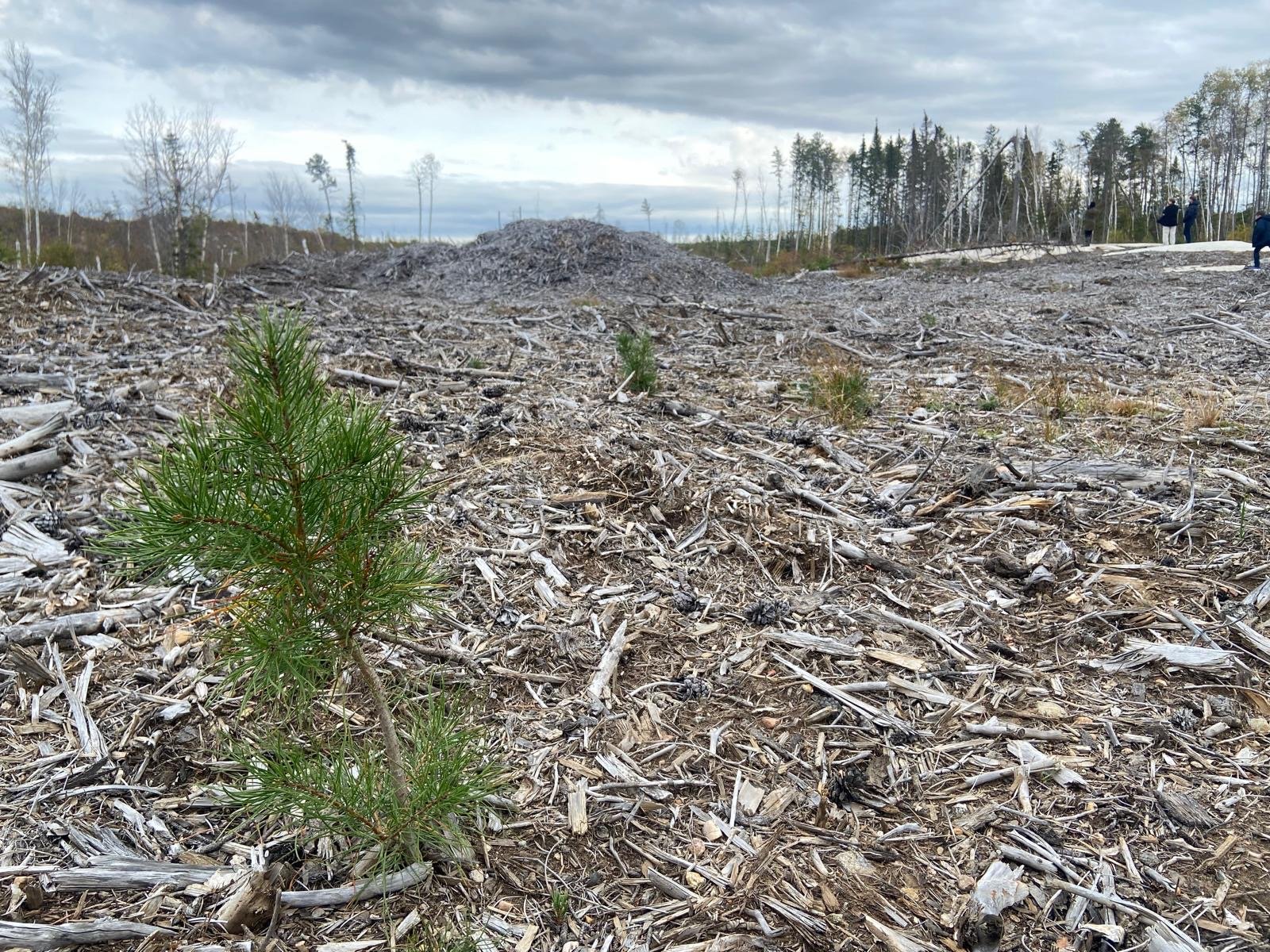
Clearcut sections in Canada. Credit: Shelley Vinyard/NRDC
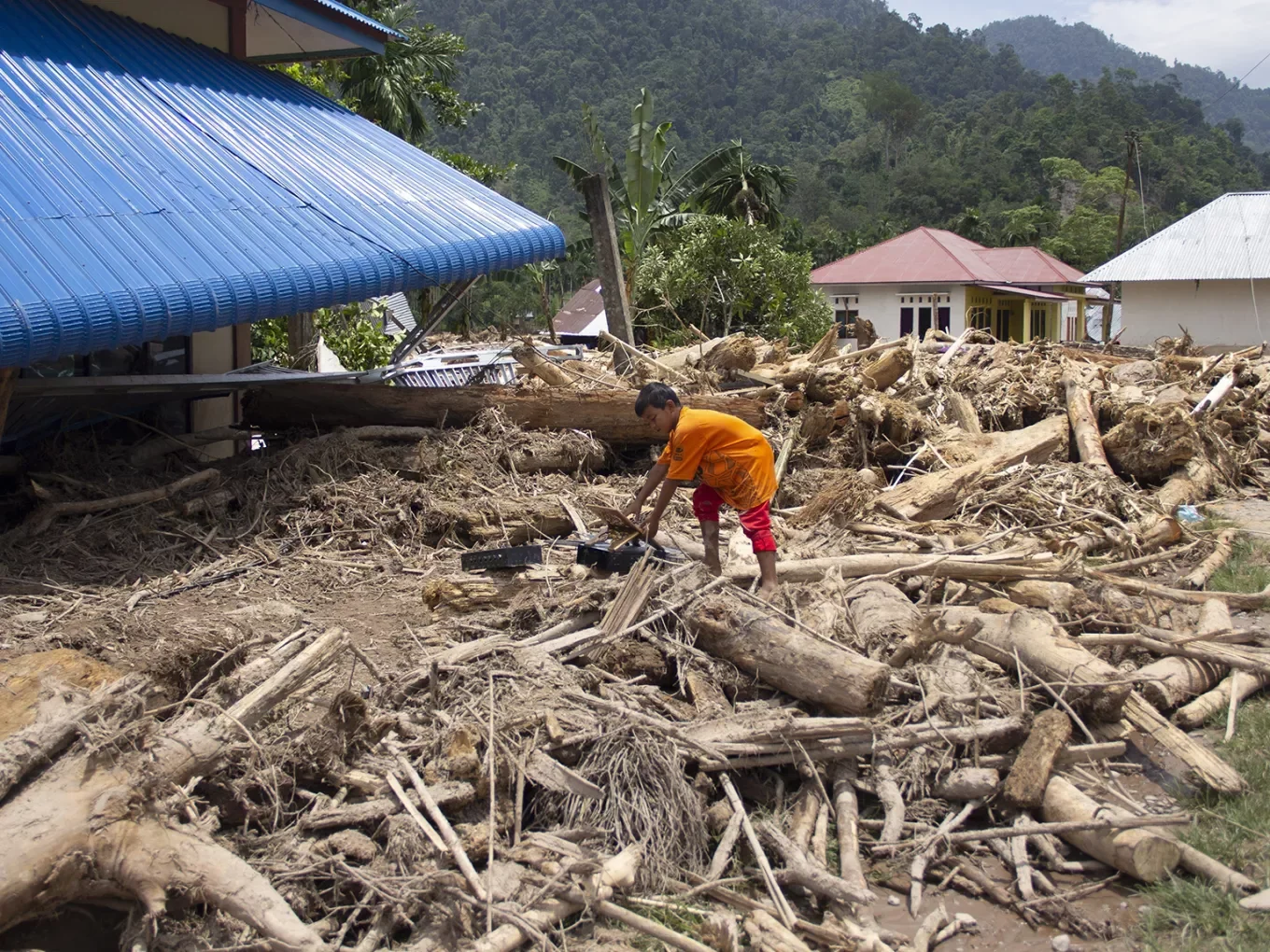
A pile of logging waste that swept into a town in West Sumatra, Indonesia, during a flash flood in March 2024. Credit: Mavendra JR/AP Photo
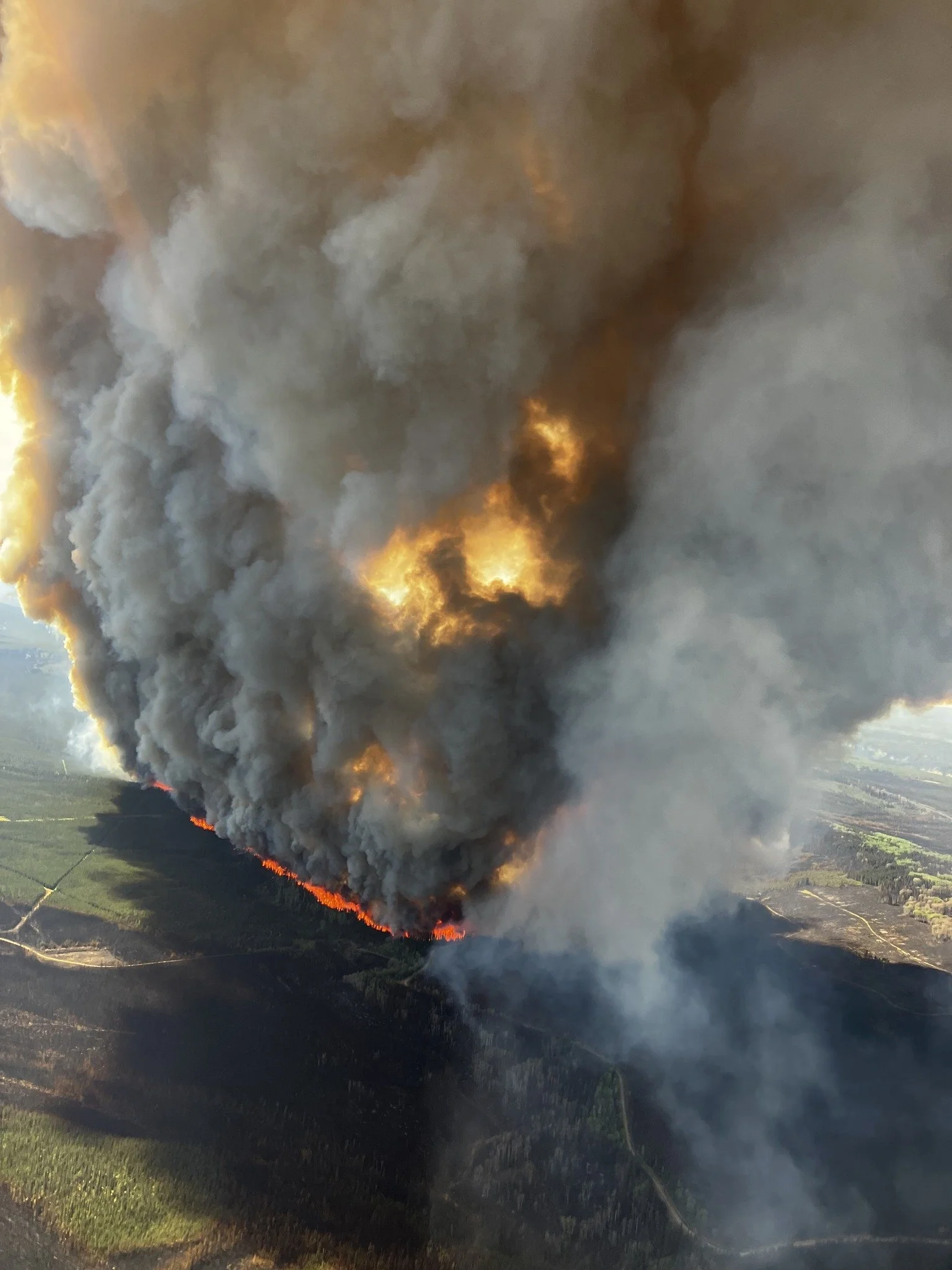
The Donnie Creek fire burning through forest in British Columbia, Canada, in 2023. Credit: BC Wildfire Service via Facebook
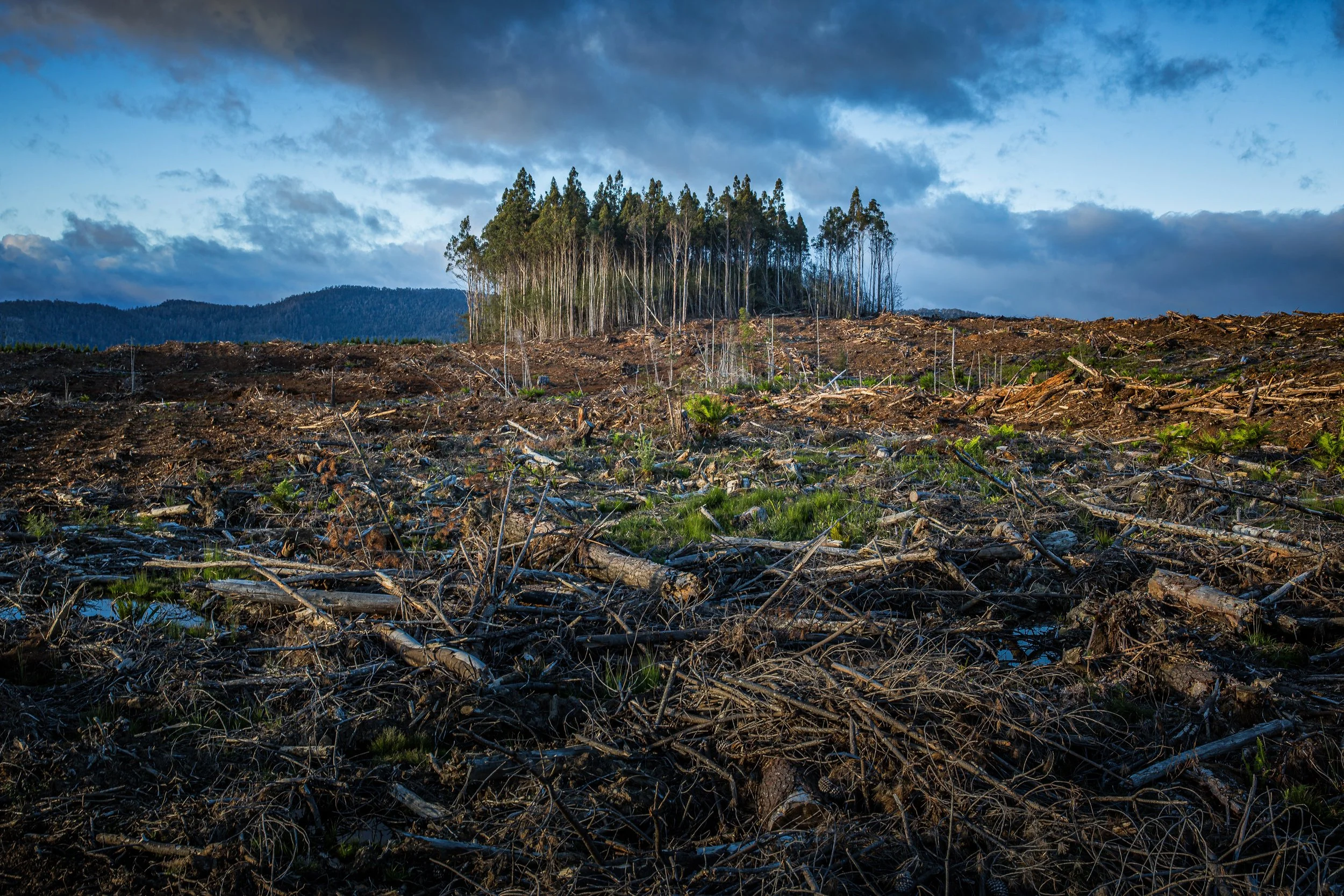
An area of clearcut forest in Tasmania, Australia. Credit: Matt Palmer
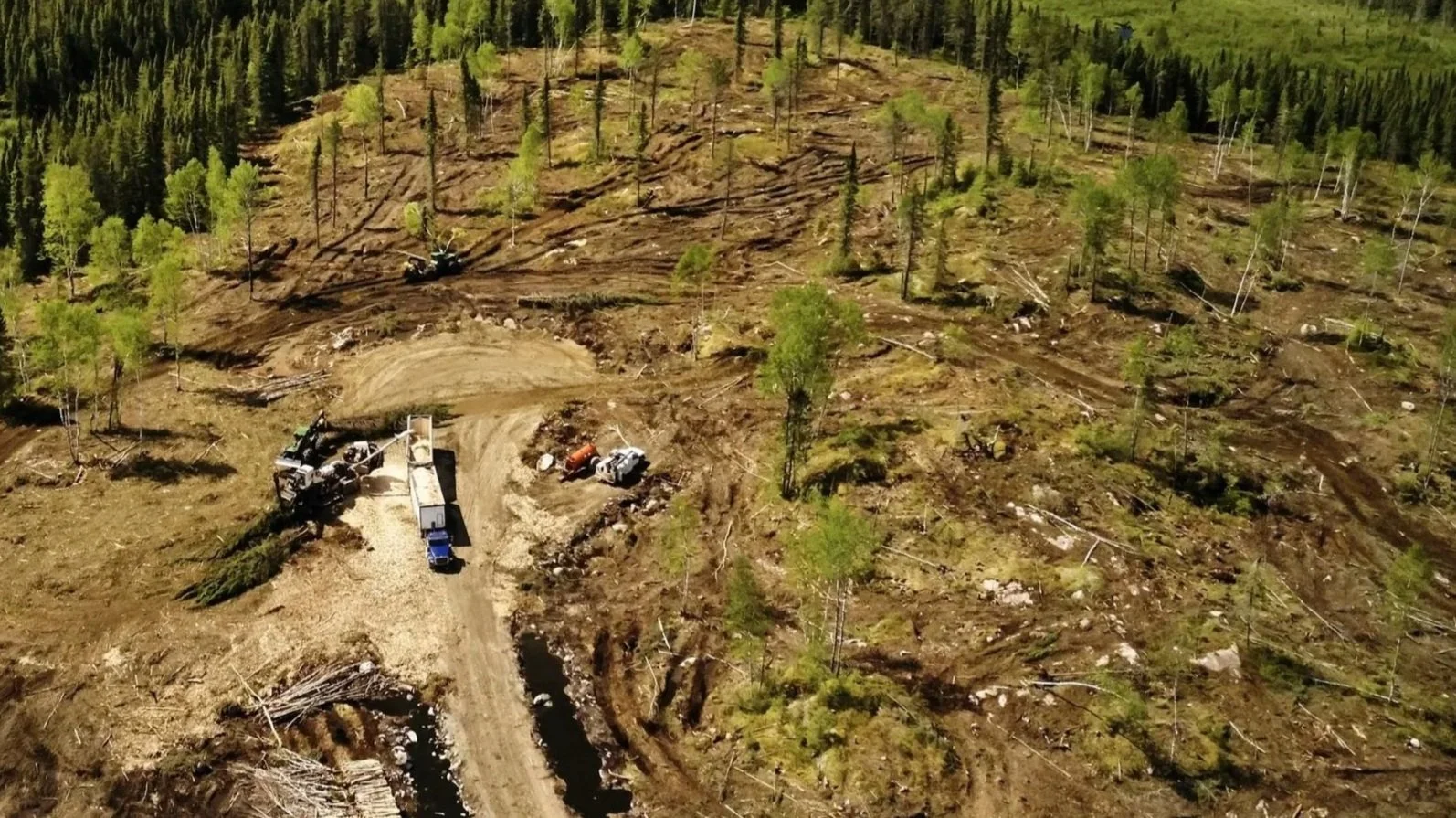
An area of clearcut in northwestern Ontario. Credit: River Jordan for NRDC